Garden and renovation projects
Xeriscaping: how to make a Mediterranean garden that needs little water
What xeriscaping is and how to design a garden that gets through summer in Catalonia on little water: watering zones, soil, mulch, plants, drip irrigation and less lawn. With 3D examples.
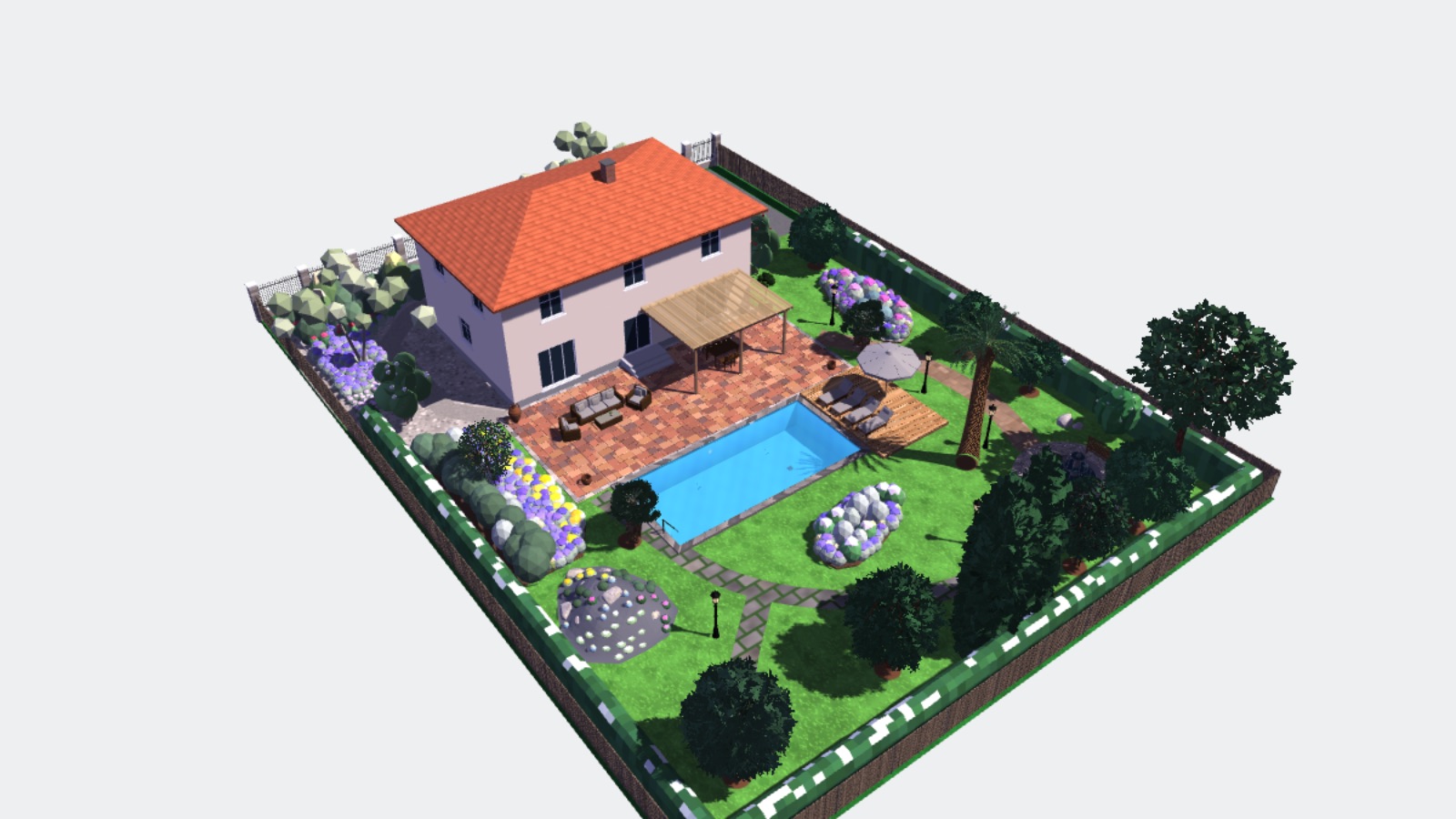
Xeriscaping is not a cactus garden or a plot covered in stones. It is a way of designing a garden so that it makes the most of rainwater and needs very little irrigation, without giving up shade, flowers or places to sit. In a climate with long, dry summers, and droughts that force watering restrictions, it is the most sensible way to start a garden.
It does not depend on a miracle plant, but on seven decisions taken in the design, before the works.
1. Group plants by how much they drink
The central idea is to divide the garden into zones according to the water they need:
- Watered zone: next to the house and the terrace, where most time is spent. A small lawn, pots or a vegetable patch can go here.
- Occasionally watered zone: transition beds that are watered for the first years and then only in the driest weeks.
- Dry zone: the rest of the plot, with plants that live on rainfall once established.
Each zone has its own irrigation line. Water goes where it is needed, and an olive tree is not watered on the same programme as a lawn.
2. Know the soil and the slope
Before choosing plants, you need to know the ground: whether it drains fast or waterlogs, whether it is clay or sandy, how much usable depth it has. Most Mediterranean plants tolerate poor soils, but not standing water in winter.
On sloping plots water runs downhill: the thirstiest plants go at the bottom and the toughest at the top. If your plot slopes, the guide to sloping garden design explains how to split it into terraces. The article on rainwater in the garden explains how to keep it on the plot instead of sending it to the street.
3. Less lawn, and only where it is used
Lawn is the surface that needs the most water. In a low-water garden it is kept for the area where people really play or lie down, and the rest is solved with ground cover, gravel or planted beds. We compare the options in natural lawn, artificial grass or no lawn.
4. Plants adapted to the climate
The basis is species that know the Mediterranean summer: holm oak, carob, olive and stone pine among trees; mastic, myrtle, rockroses, rosemary, lavender, santolina, salvias and thyme among shrubs and herbs; grasses that move in the wind and give volume in summer.
Many defend themselves from the heat with small, grey or aromatic leaves, and slow down in August: that is normal, they are not dying. In our Mediterranean plant finder you can filter 25 species by sun, water and type. Once you know which species and how far apart, the plant spacing calculator for beds and hedges tells you how many to buy.
5. Mulch the soil
Bare soil loses water and fills with weeds. Covering it with mulch (pine bark, gravel, stone or shredded prunings) keeps moisture in, protects roots from the heat and cuts work. Gravel also lets rain through to the ground. To work out how much material you need, use the gravel and soil calculator.
6. Drip irrigation and establishment watering
Even the toughest plants need water for the first one or two summers, until their roots go down. That is why irrigation is designed in two phases:
- Establishment: regular drip irrigation in all zones for the first years.
- Maintenance: the dry-zone line is reduced or closed, and only used in weeks without rain.
Drip irrigation takes water to the foot of the plant and loses much less to evaporation than sprinklers. Water rarely and deeply, early in the morning or at night. During droughts, check the restrictions in force in your municipality.
7. Plant in autumn
The best time to start a low-water garden is autumn: the soil is still warm, the rains arrive and plants have the whole winter to root before their first summer. We set it out month by month in the Mediterranean garden calendar.
Xeriscaping and wildfire prevention
A plant that tolerates drought does not necessarily burn less. Around the house, especially in developments next to woodland, it is wise to choose less flammable species, separate masses of vegetation and keep the strip clean. We explain it in the guide to garden wildfire protection.
See it before planting
A low-water garden is decided in the design: where each zone goes, which plants, how much space each takes a few years on. Our Mediterranean demonstration garden has olives, holm oak, carob, a myrtle hedge and beds of lavender, rosemary and santolina, and can be walked through in 3D as it will look in a few years.
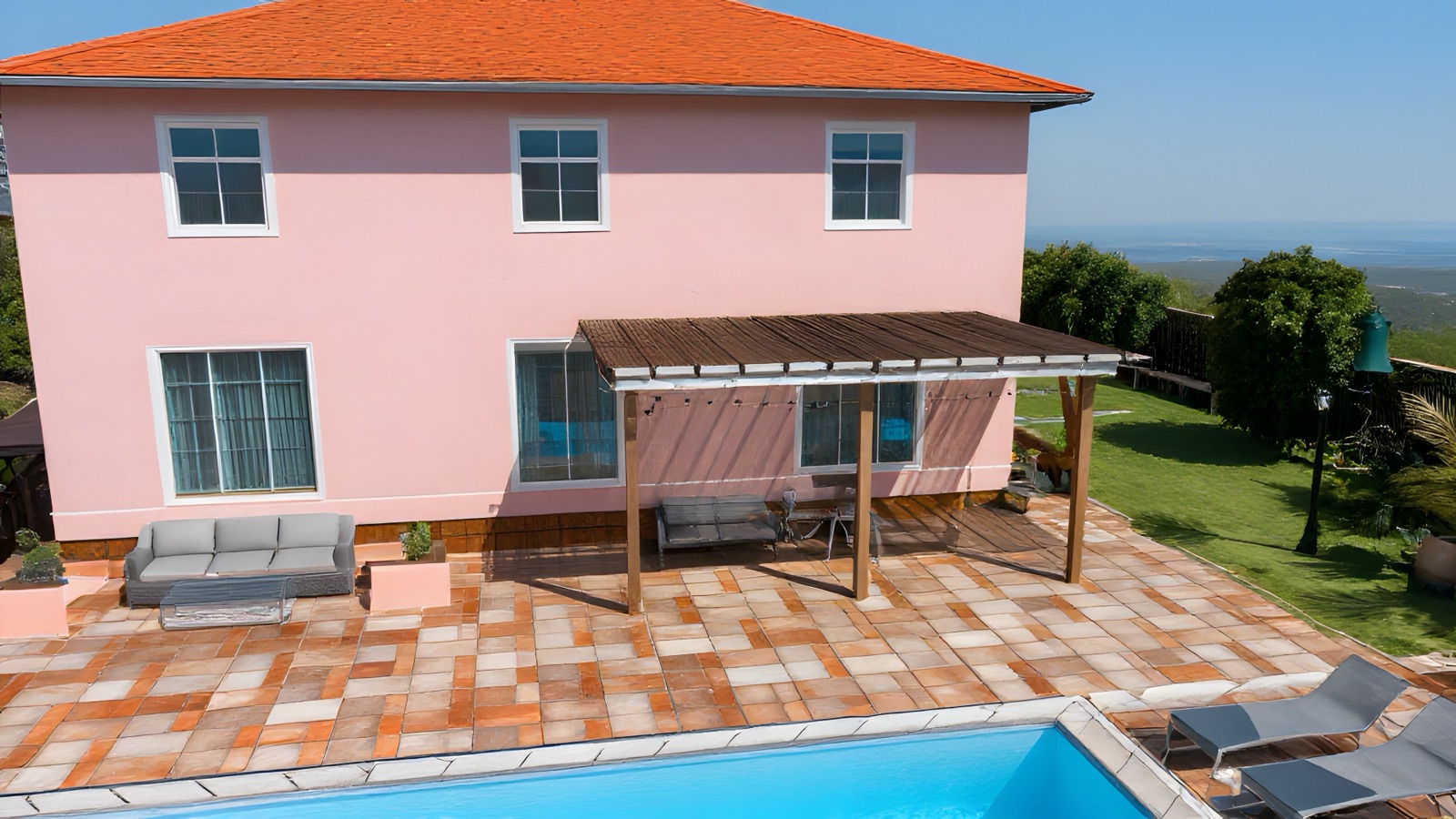
If you want to draw your plot and try out where the watering zones would go, you can do it free in our plan editor. And if you would rather design it together, write to us: we prepare the garden in 3D, with the plant list and the irrigation zones.